Plants
Native Pollinator Plants for Canada
Region-by-region notes on milkweeds, coneflowers, asters, and goldenrods, with bloom timing and the pollinators each supports.
Read the guideBackyard Biodiversity / Canada
ElmJournalCo gathers practical notes on native plant selection, pollinator habitat structure, and seasonal care, organised around the climate zones and native species found across Canada.

Topics
Each topic collects field-tested practices rather than general encouragement. Plant choices reference species native to Canadian regions; habitat notes describe physical structures; seasonal care follows the calendar.
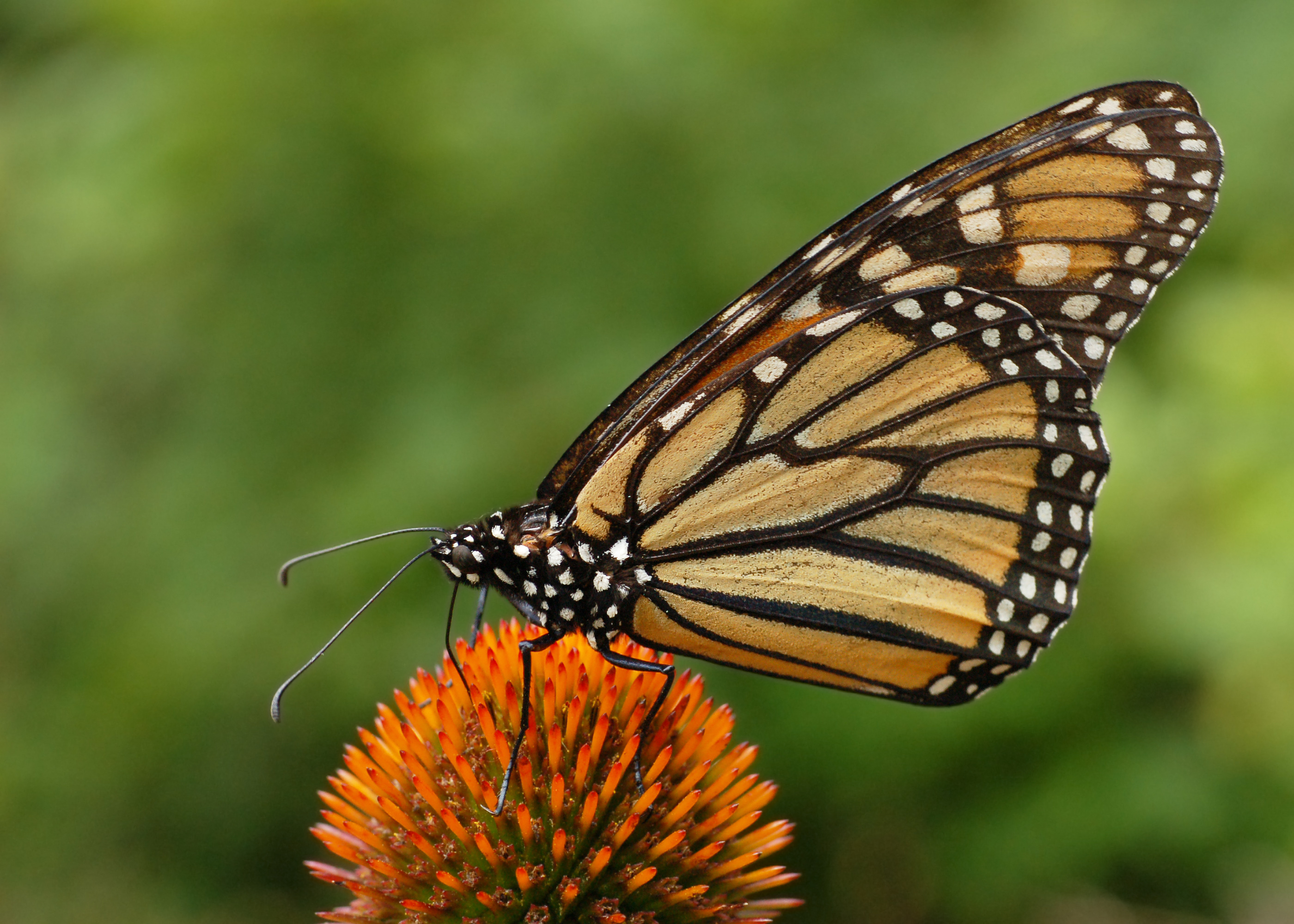
Region-by-region notes on milkweeds, coneflowers, asters, and goldenrods, with bloom timing and the pollinators each supports.
Read the guide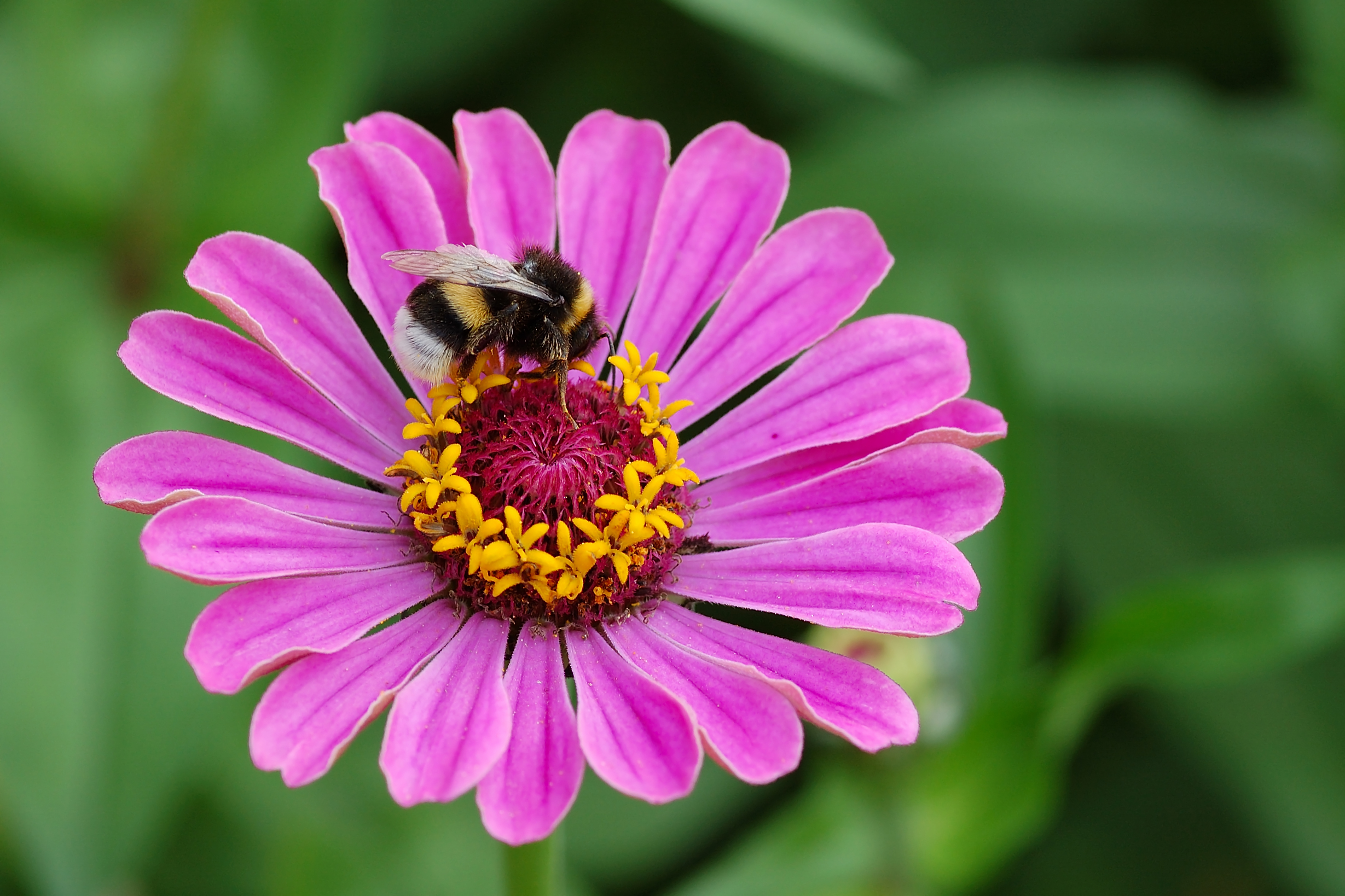
Nesting structures, bare-ground patches, water sources, and overwintering shelter that turn a flower bed into year-round habitat.
Read the guide
A month-by-month rhythm for Canadian gardens: when to sow, when to leave stems standing, and when to hold off on tidying.
Read the guideWhy native plants
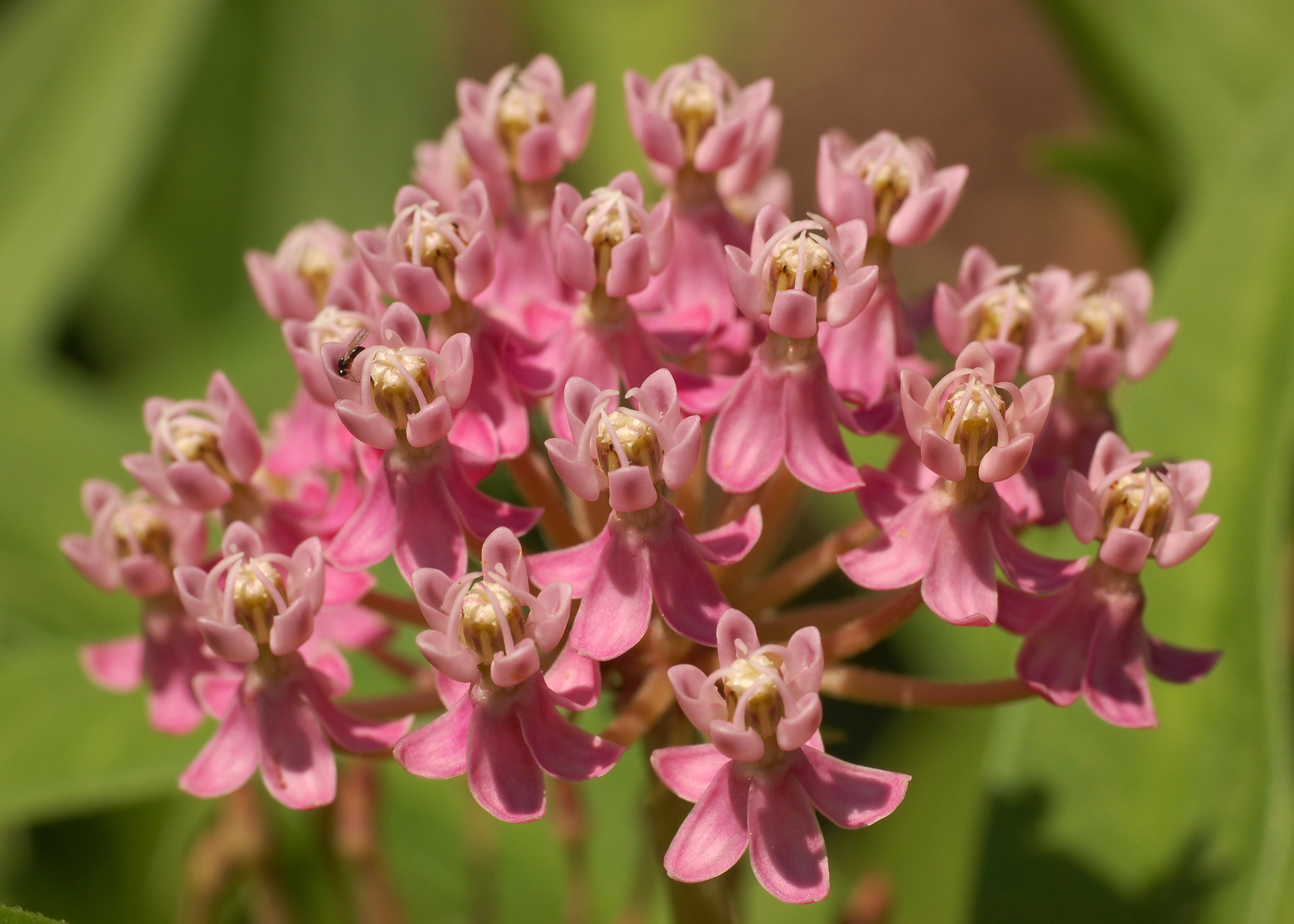
Many native bees and butterflies developed alongside specific plant families. Monarch caterpillars, for example, feed only on milkweed (Asclepias), so a garden without milkweed offers nectar but no host plant for that species.
Selecting plants native to a given region tends to match local soil and rainfall, which often reduces the need for supplemental watering once plants are established.
Contact
Use the form to reach the editorial desk with a question about regional plant choices or a suggested correction. This form runs in the browser and does not transmit data to a server.
For authoritative species lists and regional regulations, consult publicly available resources such as the Xerces Society, Pollinator Partnership Canada, and provincial native plant societies.