Home / Native Pollinator Plants
Plants
Choosing native pollinator plants for Canadian gardens
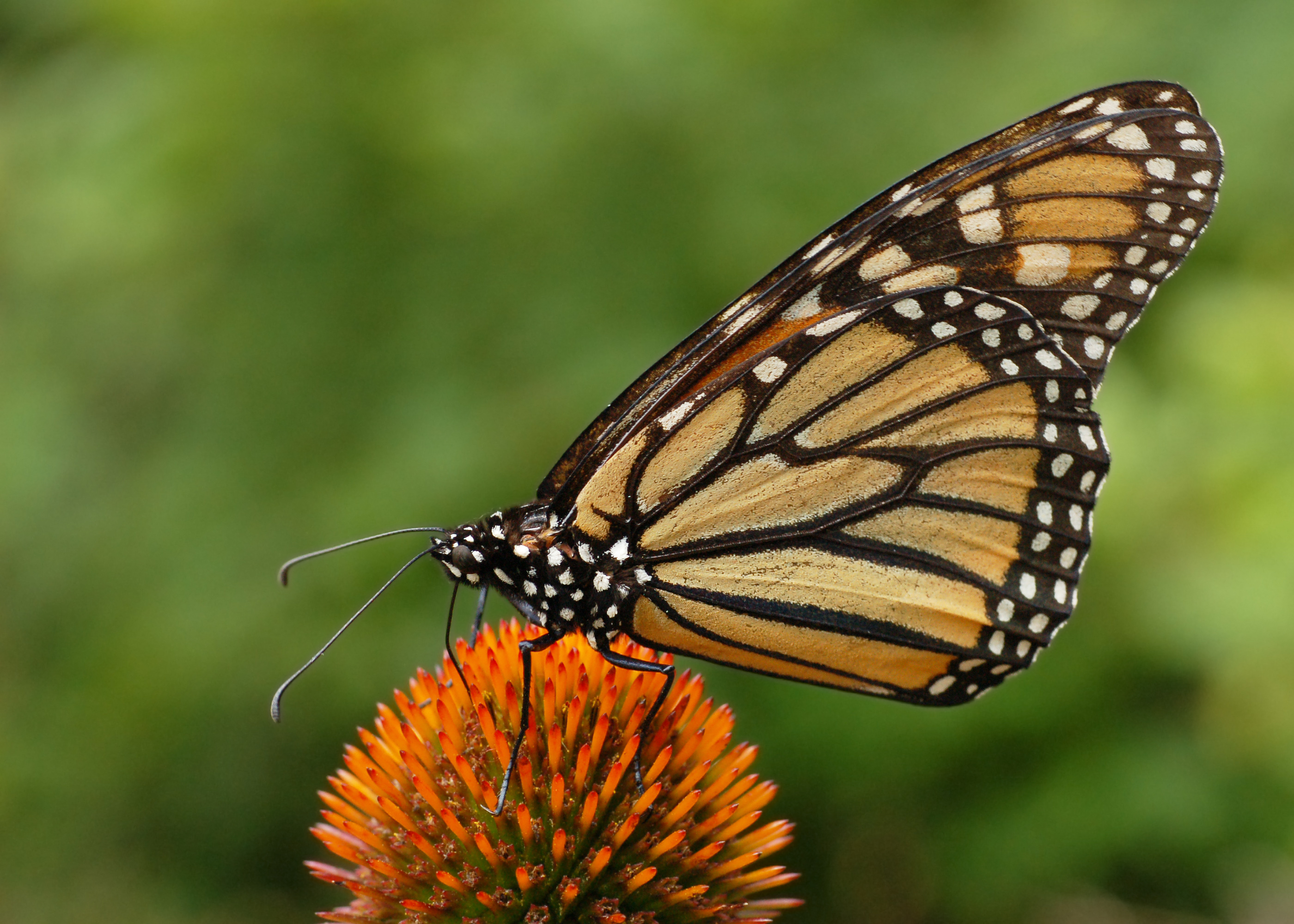
A pollinator garden works best when its plants are native to the region where it grows. Native species tend to match local soil and rainfall, and many local bees and butterflies are tied to particular plant families. This guide groups dependable choices and explains what each one supports.
Start with host plants, not only nectar
Nectar feeds adult insects, but several pollinators also need a host plant for their larvae. The clearest example is the monarch butterfly, whose caterpillars feed only on milkweed (Asclepias). A garden can be full of nectar-rich blooms yet still offer monarchs nowhere to lay eggs if no milkweed is present.
- Common milkweed (Asclepias syriaca) spreads readily and suits larger informal beds.
- Swamp milkweed (Asclepias incarnata) prefers moist soil and stays more contained, which makes it easier to place in a planted border.
- Butterfly milkweed (Asclepias tuberosa) tolerates dry, sunny spots and has orange flowers.
Build overlapping bloom across the season
Pollinators are active from early spring to late autumn, so a useful garden carries bloom across that whole window rather than peaking once. A simple way to plan is to assign plants to early, mid, and late slots.
| Season | Example native plants | Supports |
|---|---|---|
| Early | Wild columbine, golden Alexanders, serviceberry | Emerging queen bumblebees, early solitary bees |
| Mid | Milkweeds, purple coneflower, bee balm, black-eyed Susan | Bumblebees, butterflies, leafcutter bees |
| Late | New England aster, Canada goldenrod, Joe-Pye weed | Migrating monarchs, late bumblebees, hoverflies |
Regional notes across Canada
Eastern and central provinces
Gardens in Ontario, Quebec, and the Maritimes can draw on a wide tallgrass and meadow palette: purple coneflower, bee balm (Monarda), New England aster, and goldenrods all establish well. Late-season goldenrod is often misjudged as an allergy trigger; its pollen is heavy and insect-carried rather than wind-borne.
Prairies
On the Prairies, drought-tolerant species earn their place. Prairie coneflower, blanketflower, and native sunflowers handle open sun and wind, and they continue flowering through dry mid-summer stretches.
West coast
In coastal British Columbia, milder winters allow a long bloom season. Camas, Oregon grape, and native asters suit the wetter conditions, and early-flowering shrubs help bridge the gap before perennials begin.

Practical placement tips
- Plant in clusters of the same species so foraging insects can work a patch without travelling far.
- Leave some sunny, undisturbed ground; many native bees nest in soil rather than hives.
- Avoid insecticides on or near flowering plants.
- Check that any plant you add is native or non-invasive in your province before planting.
References
- Xerces Society for Invertebrate Conservation — xerces.org
- Pollinator Partnership Canada — pollinator.org/canada
- North American Native Plant Society — nanps.org