Home / Seasonal Care
Seasons
Seasonal care for a pollinator garden
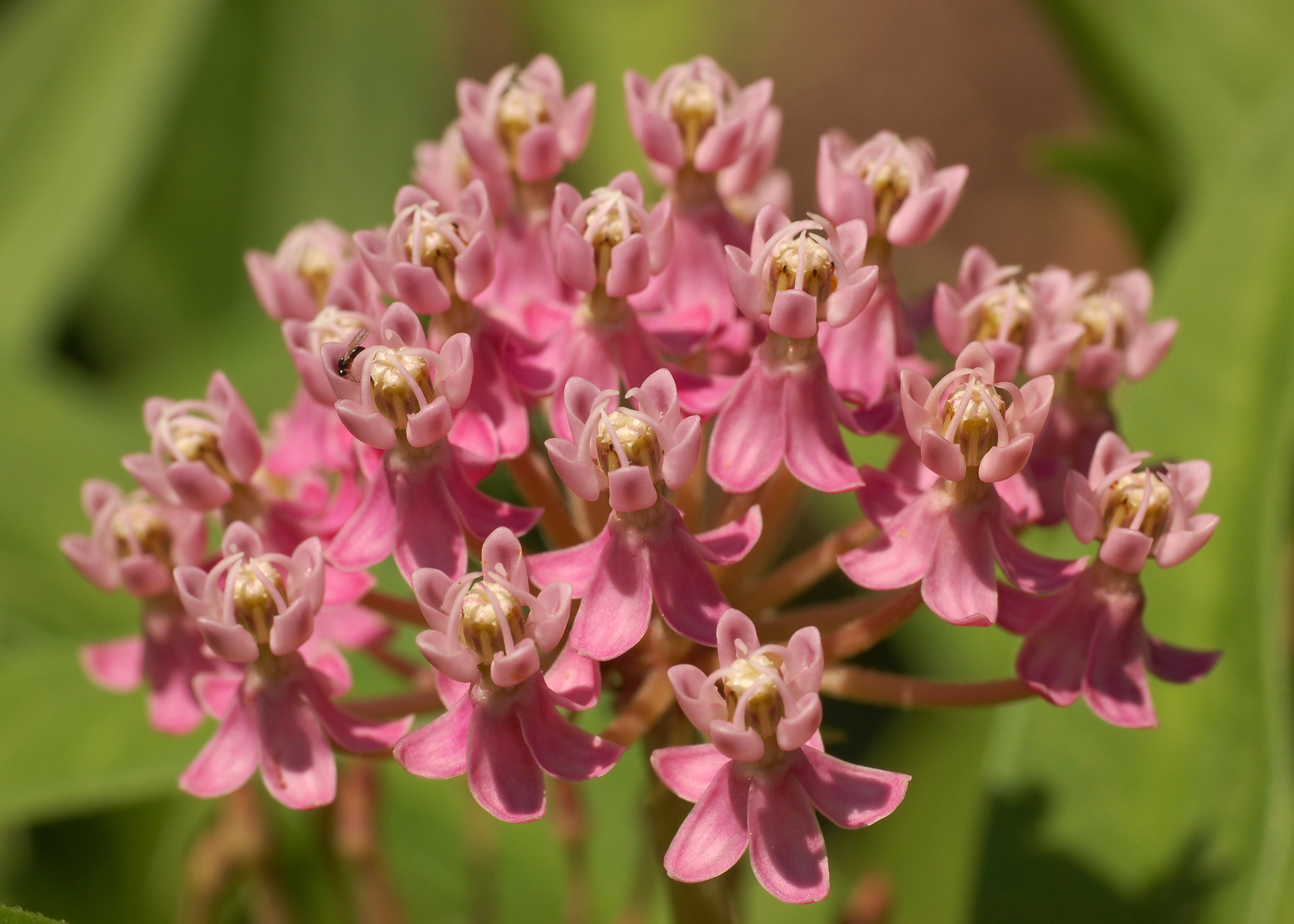
A pollinator garden follows the calendar more than the gardener does. The most useful interventions are often about restraint: knowing when to wait, when to leave growth in place, and when a light touch supports more insects than thorough tidying. This rhythm is written for the cold-winter climates common across much of Canada.
Spring
As the soil warms, queen bumblebees emerge and look for early blooms. Hold off on cutting back last year's stems until daytime temperatures are consistently warm, because insects may still be sheltering inside them. Early-flowering plants and shrubs carry foragers through the lean weeks before the main bloom begins. This is also the season for sowing or transplanting natives so roots establish before summer heat.
Summer
Peak bloom arrives, and the garden largely runs itself. Newly planted natives benefit from watering until established; mature native plantings usually tolerate dry spells without help. Avoid insecticides while plants are flowering. Leaving spent flowers in place lets some species set seed, which feeds birds later and can fill gaps the following year.
| Season | Main task | What to avoid |
|---|---|---|
| Spring | Sow and transplant; wait to cut back | Clearing stems too early |
| Summer | Water new plants; let flowers set seed | Insecticides during bloom |
| Autumn | Leave seed heads and stems standing | Cutting everything to the ground |
| Winter | Leave the garden as shelter | Removing leaf litter wholesale |
Autumn
This is the season where habitat is most often lost to enthusiasm. Late bloomers such as asters and goldenrod feed migrating monarchs and late bumblebees, so they earn their place even as the rest of the garden fades. Resist the urge to cut everything back; standing stems and seed heads provide food and overwintering structure.
Winter
A dormant pollinator garden is doing quiet work. Hollow stems shelter cavity-nesting bees, leaf litter protects insects and soil life, and seed heads feed finches and other birds. The least intervention is usually the right one. Save the heavy cleanup for the following spring, once warmth returns.
References
- Xerces Society — Leave the leaves and stems guidance — xerces.org
- Pollinator Partnership Canada — pollinator.org/canada
- David Suzuki Foundation — Pollinator gardening — davidsuzuki.org